Showing posts with label Eye strain. Show all posts

Monday, December 11, 2017

How to Protect Your Eyes In Winter

All Minnesotans know that winter can put the body under stress, but have you ever thought about winter’s effects on your eyes?


Eyes can be easily irritated by the fluctuation between brutally cold winter winds outside and the dry heat indoors. These irritations can be broken down into four conditions that are experienced during the winter season:


1. Runny, Wet Eyes

When your eyes attempt to compensate for the dry winds and heat, often they overcompensate and you get watery eyes that produce excessive tears.

To combat this, wearing sunglasses outdoors can protect your eyes from the wind. In addition, be aware of how you are wiping tears from your eyes. You may be irritating your eyes more if you are wiping them with unclean hands or rubbing your eyes vigorously.

2. Dry Eyes

On the opposite end of the spectrum, if your eyes do not produce enough tears, they are dried out by the winds and dry air.

What can you do to help? Here are a few options:
  • Give Dr. Tom a ring to chat about the use of prescription eye drops
  • Sunglasses will once again help your eyes fight the dryness
  • Buy a humidifier for your home or office to add moisture to the air that typically dries out your eyes
  • Take Omega-3 supplements to increase tear production
  • Drink plenty of water
  • Track your medications as some may restrict your ability to create tears. These include antihistamines, sleeping pills, pain relievers, and others.

3. Swollen Eyes

Red, swollen eyes can be caused by compression of the blood vessels in tissues around the eyes. This condition can cause overproduction of tears, blurry vision, and eyelid spasms.

Sunglasses can once again reduce this issue. The UV light reflected on the snow can increase inflammation of the cornea; sunglasses will reduce the UV light’s effects.

4. Burning Eyes

Not only can the cornea become inflamed by winter winds; it can also freeze. Do not force your eyes to open in the wind or cold as these conditions can have damaging effects to your cornea.

If you are experiencing this condition, please call Dr. Tom. He can help find a solution to your eye pain and burning. A temporary fix in the meantime is once again to put on those sunglasses. They will protect your eyes from some of these wind chill effects.


You may have noticed a trend in this article – sunglasses aren’t just for the summer! If you were planning on waiting to get a new pair prescription sunglasses, you might want to rethink that decision. We have many stylish options available at Infinite Eye Care.

Whatever your eye troubles, give Dr. Tom and our team at Infinite Eye Care a call. We can set you up so you’re not suffering through the winter season.


Thursday, April 20, 2017

Prevent Springtime Allergies by Purifying the Air in Your House

Spring is a refreshing time of the year, but for allergy sufferers, it also causes a lot of discomfort. Even when you are indoors, it is hard to escape the itchy, watery eyes, nasal congestion, and other symptoms that come along with allergens such as dust mites, mold, and pet dander.

Fortunately, there are a few steps you can take to purify the air in your home and reduce allergens. Add these simple tasks to your spring cleaning list to purify your air for a more comfortable home.

Remove Clutter


The fewer items you have in a home, the fewer places there are for allergens to build up. Allergens tend to collect on the surfaces of items around your home, so limit the number of items you have to only what is necessary. This will also make the rest of your cleaning tasks easier to complete.

Dust Correctly

According to everydayhealth.com, the most common trigger of asthma and allergy symptoms in the home are dust mites. Dusting helps to remove dust mites, but only if done correctly. Traditional feather dusters often make allergy symptoms worse by dispersing dust particles into the air. Instead, try using a damp cloth or rag that will attract dust particles into the cleaning surface. You can also wear a dust mask while dusting if your allergy symptoms continue.


Vacuum and Clean Floors

Allergens don’t only collect on your furniture and decor, they also accumulate on your floors. Whether they are hardwood, carpeted, or tiled, your floors are likely collecting dust mites that can aggravate your allergy symptoms. Clean your floors often – especially by vacuuming carpets – to remove built-up dust mites hiding in the surface of your floors.

Wash Fabrics

Porous materials like cloth and fabrics can store dust more easily than other surfaces, so washing your clothes, bedding, and curtains can make a huge difference in your home’s air quality. Wash these items regularly to improve your allergy symptoms.

Humidity Control

According to National Allergy, 70-75% of a home dust mite’s weight is water, meaning that the humidity in your house has a direct impact on the dust in your home. Using a dehumidifier during the spring can limit the dust particles in your home. Be sure to clean and empty your home’s dehumidifier often to keep it running properly.

Air Filtration 

Finally, having the proper air filtration system in your home will be an easy solution to improving your home’s air quality. Be certain that your home’s air conditioning system is using HEPA (high-efficiency particulate air) filters to remove the most airborne allergens possible. This will be the simplest and one of the most effective ways of minimizing your allergy symptoms.


Removing the source of your allergies (a.k.a. Antigens) will often help. However, sometimes a little help is needed. When that time comes and the symptoms persist, call Infinite Eye Care for an allergy evaluation consult. You and your eyes will be glad you did.

Friday, May 13, 2016

Protecting Your Eyes From Summer's Sunny Hazard: UV Rays

Protecting Your Eyes.jpg


UV or Ultraviolet rays are harmful to your eyes. The amount of UV radiation reaching earth is increasing, which is why it is more important than ever to wear sunglasses. Sunglasses are not just created for the “cool factor”, they are a crucial part of healthy eyes. Because UV damage is cumulative, it is important to wear sunglasses every time you go outside. Even infants should be wearing sunglasses because their eyes have not begun to cloud yet and are more sensitive to light.

Types of Ultraviolet Rays

There are three types of UV rays: UVA, UVB, and UVC. The most harmful of these are UVC rays, but thankfully, our atmosphere blocks virtually all of these rays from ever reaching the earth. UBV rays are shorter in wavelength, meaning they are lower energy. Small amounts of exposure cause our production of melanin -Our body’s natural defense against UV radiation (and the pigment that gives you skin a sun tan). High doses cause sunburn and increase your risk of wrinkles, freckles, premature aging, and skin cancer. UVA rays are perhaps the most detrimental to your eye health. These rays have the ability to pass through the cornea and reach the retina and lens of your eye. Overexposure can lead to cataracts and macular degeneration over time.


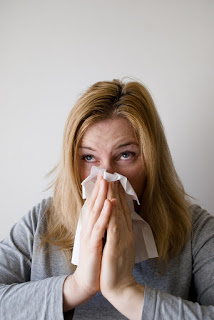
blonde-1078069_1280.jpg

Common Light-related Eye Irritants


One of the most common eye irritations that can occur from exposure to excess amounts of UV radiation is photokeratitis. Photokeratitis is similar to that of a sunburn. The eye can feel itchy, have a burning sensation, or even have a gritty feeling. None of these symptoms are pleasant, but with the use of sunglasses, they can be prevented.

Your eyes are similar to your skin, if exposed to sunlight, they will get burned. This is how some people get cancer on their eyelids. Remember, even ten minutes outside at the right time of day can cause damage. Constant exposure to sunlight and other harmful light sources can cause macular degeneration later on in life.

People living in the mountains or one of the US Sunbelt states are at a higher risk of UV radiation damage. Tanning beds and sunlamps create artificial UV light and (contrary to some belief) still cause damage, possibly leading to skin cancer. Welders, medical technologists, graphics artists, and those who work in manufacturing electronic circuit boards are at risk of UV damage. If you have had cataract eye surgery or if you have a retinal disorder, your eyes can be more sensitive to harmful rays. Even certain medications can increase your eyes sensitivity to UV radiation.

What to Look for in Your Sunglasses

When deciding on a pair of sunglasses, there are a few things you should consider. Sunglasses with 100 percent UV protection provide the best protection and those that absorb most HEV rays are important. Also, close fitting sunglasses that slightly wrap to your face provide the best protection. Sunglasses should screen out 75-90 percent of visible light, this means those lighter tinted sunglasses may not be the best for long sunlight exposure.

At Infinite Eye Care, we have numerous options of sunglasses to choose from. We will help you find the ones that fit your face, provide the right exposure protection, and help you avoid problems later on in life. Visit our website for more information on the sunglasses we have in store.

Tuesday, March 8, 2016

Treating and Preventing Springtime Allergies

Treating and Preventing.jpg
Seasonal allergies can wreak havoc on your health, but you don’t need to let irritating allergies disrupt your enjoyment of spring. Learn about the most common causes of seasonal allergies and about how you can take care of annoying springtime allergies.
Most Common Causes
Springtime allergies can trigger coughing, sneezing, congestion, and runny noses. These airborne irritants can also cause itchy, watery, irritated, and swollen eyes.
Pollen — from trees in early spring and from grasses in late spring and early summer — is often the main culprit of spring allergies. Mold spores, like yeast or mildew, are common in the air outside and inside your home. They often cause severe allergy symptoms from the beginning of spring well into the fall season.


Pollen and mold can set off hay fever, which affects 30 to 60 million Americans each year. The most common types of trees to trigger hay fever in spring include oak, sycamore, elm, maple, birch, walnut, poplar, birch, ash, and cypress. As Minnesota residents, we are lucky enough to have access to nearly all of these.
Get Your Body Back on Track
Everyone looks forward to the sunshine and warmth that spring welcomes, but allergy season is something we could do without. Once you know how to face your allergies head on, however, you can feel in control of your body again.


woman-698946_1280.jpgBe aware of your triggers. More than two-thirds of spring allergy sufferers have year-round symptoms. Talk to your allergist or local specialist. Your doctor can recommend the best treatment or medication to control your symptoms that can range from antihistamine eye drops and oral medications to widely recommended drugs without a prescription and immunotherapy (allergy shots).


Take preemptive care. To alleviate spring allergy suffering, begin taking your allergy medicine before your allergy symptoms escalate. Anticipating the onset of your allergy symptoms and seeking the proper treatment will prevent a host of health problems and suffering.


Clean up after being outside. Don’t leave airborne irritants embedded in your body or clothing. Washing your face, rinsing your eyes, or just hopping in the shower can loosen and flush out the allergens from your body. Take care to launder your clothes (in a machine, not outside) after being outside all day as pollen and mold spores can become embedded in the fibers of your clothing. Wipe your pet’s fur off before returning inside.


Spend some time indoors. For temporary relief, keep your doors and windows closed, use allergy filters on your air conditioning unit, and avoid spending too much time outdoors on breezy days when the pollen counts are especially high. Spending time outdoors between 10 AM and 4 PM will prolong your exposure and worsen symptoms of allergy. When you do, make sure to wear protective sunglasses to shield your eyes from irritants.


Seasonal allergies don’t have to get the best of you. Talk to the specialists at Infinite Eye Care to take control of your allergies and enjoy your best spring yet!

Friday, February 12, 2016

Love Your Eyes: Tips for Healthier Eyes

It might sound like an exaggeration, but taking care of your eyes is crucial to living a happy life. Don’t think so? We use our eyes nearly every waking moment to drive, work, read, watch tv, surf the web (maybe for a blog about eye health), and enjoy time with friends and family ­ It is especially important to take care of your eyes. Use these simple tips on a regular basis and you can look forward to healthier eyes and a clearer life.

Regular Eye Exams
Regular visits to the eye doctor are important to ensure eye health and eye exams help avoid problems that may become worse without treatment. Eye exams are short and safe, and should be scheduled with your eye doctor annually.

Avoid wearing contact lenses longer than 19  hours
Take care of your contacts! Most users know that contact lenses can become harmful ­ even cause permanent damage ­when left in the eye too long. It is especially important to remove, clean and change your contacts as your eye care provider has recommended.

Remove eye makeup
Makeup can cause redness and irritation in the eye when left on the skin overnight; especially eye makeup and eyeliner. Remove makeup every day to prevent irritation and maintain healthier eyes.

Dont rely on Allergy drops
Eye drops are meant to temporarily reduce the irritation in the eye, but don’t rely on them too heavily. Because they are effective and create moisture in the eye, the eye can stop creating its own moisture and become more irritated. If you find you’re using your eye drops too often, contact your optometrist.

Wear Sunglasses
Always wear sunglasses when the sun is out ­ even in the winter. You may not be going to the beach, but the sun is still out, and you can bet it is bouncing off all that snow! Choose shades that are UVB and UVA protectant 99%­100% for the best protection. The younger you are when you start wearing sunglasses on a regular basis, the better it will be for your eyes when you are older.

Get Sleep
Sleep is the most important ingredient to almost any good habit. Get 7­8 hours of sleep a night. A good night’s sleep not only allows your eyes to rest, but excessive strain on your eyes can cause temporary blurriness.

Exercise Regularly
Just like sleep, regular exercise is very beneficial to any healthy lifestyle. Exercise can prevent glaucoma and macular degeneration, as well as keep you feeling better every day.

Keep Eyes Hydrated
This one is simple; drink plenty of water! Cucumbers on eyes prevent puffiness. Eye lubrication 
drops (not Visine) help, but remember that using eye drops too often can make them worse. If your eyes do get too dry, avoid rubbing them, as this can cause accidental trauma.

Limit Screen Time
Look straight at a computer screen or TV screen, not angled down or up. Also, keeping good posture is good for overall health. Use the 20­20­20 rule: after 20 minutes of screen time, look at something 20 feet away for 20 seconds.

Eat a Healthy Diet
A diet rich in Vitamin E, Zinc, Vitamin C, Lutein, Zeaxanthin, and Omega 3 fatty acids can help you see clearer and reduce eye complications later in life. In short, listen to your mother and eat your vegetables.

All in all, your eyes are an important part of everyday life, so take care of them now. Take time to take care of yourself and schedule an eye exam today. We would be glad to help. You can contact us online with any questions, or call Infinite Eye Care at 320­257­4990 to set up an appointment.

Monday, December 28, 2015

Dr. Tom's 2016 Eye Health Resolutions

2016 marks Dr. Tom Johnson’s 27th year in the eye care industry. His knowledge and willingness to help his patients with every eye care need is what makes him one of the top Family Optometrists in Central Minnesota. So with the start of a new year, here are some tips from Dr. Tom on how you can improve your eye health in 2016:

24.jpg

1. Regular Visits to Your Eye Doctor  
Reviewing your eye health on a regular basis makes discovering potential problems (such as glaucoma, macular degeneration, refraction based lazy eye, etc) easier. Treatment early on is better and more effective than discovering a problem later and trying to reverse more significant damage.

2. Eating Carrots Can Be a Good Thing
Old wives tale? Not really. Leafy green veggies and orange colored veggies like carrots or squash are rich in antioxidants, which can radically slow down the process of certain sight blinding diseases.

3. Rule of 20/20/20
If on a monitor or reading for long periods of time, follow the 20/20/20 rule: every 20 minutes, look at a space 20 feet away for 20 seconds. This gives the eye a chance to rest and lessens the chance or severity of future nearsighted advancements and general strains to the eye.

4. Contact Lens Health
Some folks don’t know that you CAN wear certain contact lenses overnight or for a certain amount of time. More importantly, some don’t know that the wearing of ANY contact lens overnight can lead to a vision debilitating infection, and can even create a scar that will lead to permanent vision loss. NOT FUN. Know your lenses.

5.  Dry Eye  
There are many conditions that can lead to dry, scratchy eyes, which can also cause reduced visual ability, even with your best glasses or contact lens prescription. There is merit to regular hot lid compress cleaning every day - it will increase the performance of your tears and lessening the dry eye symptoms. We can illustrate how to properly perform lid treatments, and when used with other meds or treatment options, they can drastically help dry eyes.

6. Glasses Cleaning  
What a puzzle. I’ve seen the most absurdly scratched glasses mostly from the people who feel they never see clearly and they need to “power scratch” their glasses. The more they scrub, the worse they see. At Infinite Eye Care, we train our patients how to properly clean daily in a way that scratches (while not impossible) are much less likely. I often stop by our in-office lab and illustrate it to my patients myself. I can describe it, but it’s so much easier to teach in person. Stop in and see a first-hand demonstration on how to properly clean your glasses.

For more information and assistance or to book an appointment visit infiniteeyecare.com or give us a call at 320.257.4990. We wish you a healthy and happy 2016!

Thursday, July 23, 2015

Protect Your Eyes from the Summer Sun

Under the blazing sun of the hottest months of summer, you protect your skin from sunburn with hats, the shade of a tree, or generous amounts of sunscreen, but do you take measures to protect your eyes? Just like your skin, it is much easier to take care of your eyes now, to prevent future damage later on. We may not always think exposure to the sun can make a huge difference on our eyes, but in the long run, small preparations go a long way.

6078523750_1db496843d_b.jpg

The sun is full of harmful UV rays and extended exposure to these rays has been linked to eye damage including, cataracts, macular degeneration, pingueculae and pterygia (also known as surfer’s eye) and photokeratitis, which can cause temporary vision loss. Depending on the type, UV rays can affect your eyesight in different ways. There are two types of UV rays; UVA and UVB. UVA rays can hurt your central vision. It has a lower energy and is penetrated deep into the eye, which may injure the macula. UVB rays can do damage to your cornea and lens; these types of rays are considered to be more dangerous to your vision.


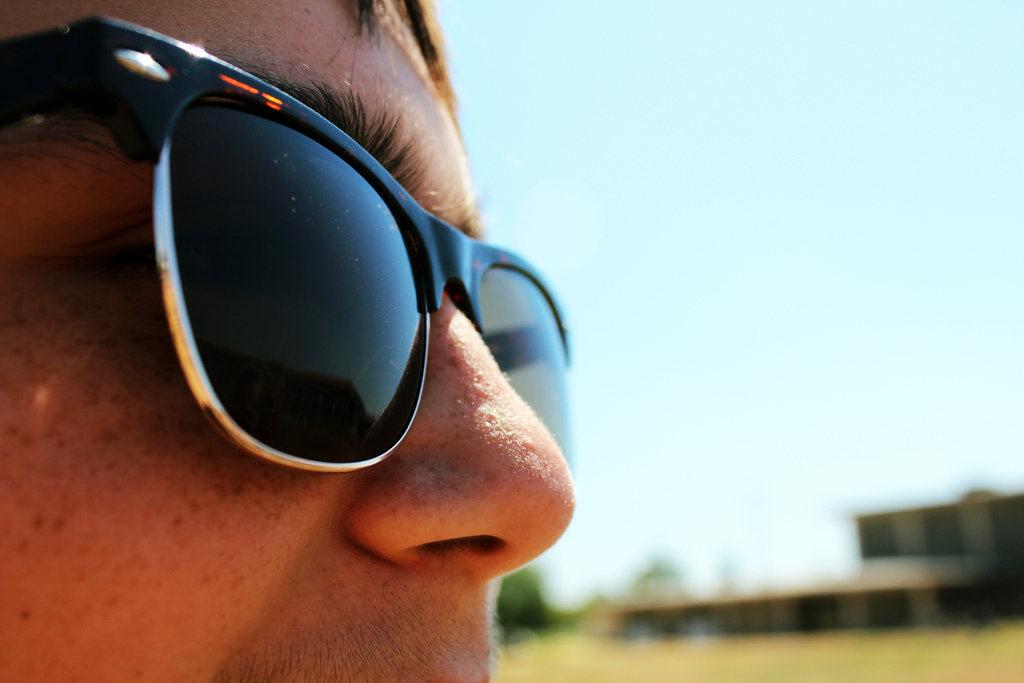
The simplest way to protect your eyes from the sun is to wear sunglasses. When choosing a pair of sunglasses, don’t base your choice off looks. Make sure you are picking a pair that blocks UV rays and protects your vision, not just your style. Sunglasses with a wraparound frame will give you the most protection.

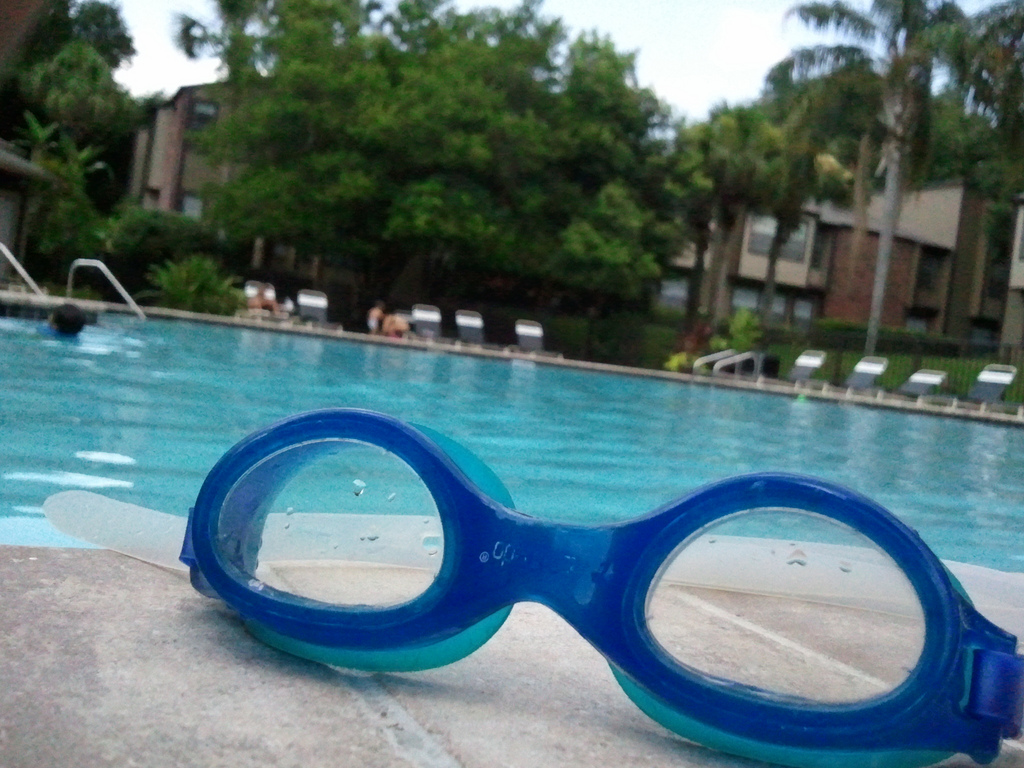
6625820635_9cf5706cce_b.jpgSwimming in the summer is a great past time, especially in the land of ten thousand lakes. We have to make sure to protect our eyes from the harmful effects of swimming pools and natural bodies of water. Swimming pools contain chlorine which can create that burning sensation when you open your eyes under water. Too much of this can irritate your eyes causing redness, itchiness, and inflammation. Natural bodies of water contain different bacterias and debris that can get in your eyes and make you at risk of several irritants and eye diseases. Also, remember that wearing contacts does not mean you are protected. Contacts can trap the different bacterias and extra chlorine in the water and can cause more damage to your eyes.


However, don’t feel like you can’t enjoy swimming during the summer. Goggles are a simple way to stay protected. You might actually enjoy swimming more since you won’t have that constant itchy and irritated feeling!

Enjoy your summer out in the sun, but don’t forget to protect your eyes! If you have any questions about eye health, stop into Infinite Eye Care or check out our website. We would be happy to assist you in any way possible!

Thursday, June 4, 2015

Symptons of the Season

Spring in full swing, rapidly moving into summer, but for many that means the return of those dreadful spring allergies. The return of sneezing, sniffling and dry or watery eyes can sneak up on you quick, so here are 4 ways to help prepare for these seasonal symptoms:
1. As the weather becomes warmer, many people love to open their windows and doors up and let the cool  breeze inside. To help minimize your allergy symptoms, keep your doors and windows closed on windy days to shut out the pollen and other allergens in the air.

2. Spring-cleaning is a very important part of preparing for these symptoms. When you’re tidying up the house, focus on areas that tend to accumulate allergens. These areas include air filters, bedding, upholstered furniture, and carpeting. Along with focusing on these key places, always remember to vacuum your floors, furniture and rugs often to suck up any allergens that may have drifted in.

3. You can’t lock yourself inside until fall to avoid these allergies, but to help minimize their effect, try taking a shower every night before you go to sleep. The transfer of allergens from your hair or face to your pillow can heighten your symptoms and make them worsen.

4. Although pollen is one of the most common reasons for allergies, mold can also cause unpleasant symptoms. Specialists suggest focusing on areas such as basements, bathrooms, kitchens, and other areas where a leak can occur to help minimize the mold build up in your home.

Spring and summer are beautiful time of the year, and we want to make sure you can see it! Following these tips can help minimize your spring allergies and enjoy all the wonderful things this time of year has to offer!

Tuesday, December 9, 2014

Eyesight 101


With the end of the year comes the end of another school semester, and that means exams and extra studying. High school and college students are cramming and planning out all sorts of activities this month and trying to fit studying somewhere in between. Many don’t realize that all that time spent pouring over notes and staring at a computer screen can do more than a bit of damage to their eyes. Whether you are a student yourself, or have children spending the month cramming their minds, think about some ideas to maintain healthy eyes.


Stressed Out
Stress causes all sorts of problems: weight gain, anxiety, restless sleep, (the list goes on and on), but did you know it also can do harm to your eyes? One of the major complications caused by stress is high blood pressure. When blood pressure goes up, your internal eye pressure can do the same. Over time, high pressure to the optic nerve can lead to Glaucoma. Stress is also a trigger to the sometimes comically portrayed (though still very irritating) eye twitch. Though typically not dangerous, an eye twitch can last anywhere from minutes to days long. Take the time to decompress: exercise, listen to music, take a walk, anything that takes your mind, and eyes, somewhere else for a bit.


Badvision.com…
The transition between looking at a keyboard, computer screen, and surrounding distractions strains our eyes. Computer images sometimes have a perceivable “flicker” on the screen, and our eyes read them differently than printed words. Eye strains can cause headaches or back and neck pain, as well as damage to your eyes. Be sure to unplug yourself every now and then and rest your eyes. Or, believe it or not, you can get a prescription for glasses specifically for computer use.


Go to Sleep!
The benefits of a full-night’s sleep span many areas of health, including eyesight. Missing a few precious hours adds dark circles under your eyes, but without at least five hours of rest your eyes do not properly replenish themselves. Lack of sleep can stop your eyes from reaching their full potential, so be sure to get plenty of rest at night.


End of terms can be the most stressful on students and parent alike. Infinite Eye Care reminds you to take the good with the bad this time of year. Take heed from these tips and enjoy the rest of your 2014 year!

Monday, June 30, 2014

Anti-Fatigue Lenses and What They Can Do For You


With technology today, it’s hard to go a day without staring at some type of screen. From long days at work staring at the computer or even scrolling through your phone, screens are unavoidable. By the end of the day your eyes are exhausted. 

Essilor Anti-Fatigue lenses address the symptoms found in Visual Fatigue Syndrome (VFS), which 60% of the population suffers from. The side effects these endless hours of screen watching have on you include:
 
  •  Blurry vision
  •  Dry eyes
  •  Eye strain
  •  Fatigue
  •  Difficulty focusing
  •  Headaches
  •  Light sensitivity

If you tend to experience these side effects frequently you should consider Essilor Anti-fatigue glasses. Essilor Anti- Fatigue lenses are proven to decrease visual fatigue by 50%. These lenses are recommended for people who are nearsighted ages 18- 40 who experience the symptoms of fatigued eyes and people who are far sighted ages 35-45 who are having trouble reading but are not yet ready for progressive lenses.


Anti- Fatigue lenses are specialized to give the wearer’s eyes clarity and comfort when focusing up-close for long periods of time. There is an area of specific correction located at the bottom of the lens, which helps facilitate your eyes in focusing. This area is added to your current prescription to allow the best vision and comfort as possible.

For more information on Essilor Anti- Fatigue lenses please visit our site at: http://bit.ly/SME0c9.