Showing posts with label Allergies. Show all posts

Thursday, April 20, 2017

Prevent Springtime Allergies by Purifying the Air in Your House

Spring is a refreshing time of the year, but for allergy sufferers, it also causes a lot of discomfort. Even when you are indoors, it is hard to escape the itchy, watery eyes, nasal congestion, and other symptoms that come along with allergens such as dust mites, mold, and pet dander.

Fortunately, there are a few steps you can take to purify the air in your home and reduce allergens. Add these simple tasks to your spring cleaning list to purify your air for a more comfortable home.

Remove Clutter


The fewer items you have in a home, the fewer places there are for allergens to build up. Allergens tend to collect on the surfaces of items around your home, so limit the number of items you have to only what is necessary. This will also make the rest of your cleaning tasks easier to complete.

Dust Correctly

According to everydayhealth.com, the most common trigger of asthma and allergy symptoms in the home are dust mites. Dusting helps to remove dust mites, but only if done correctly. Traditional feather dusters often make allergy symptoms worse by dispersing dust particles into the air. Instead, try using a damp cloth or rag that will attract dust particles into the cleaning surface. You can also wear a dust mask while dusting if your allergy symptoms continue.


Vacuum and Clean Floors

Allergens don’t only collect on your furniture and decor, they also accumulate on your floors. Whether they are hardwood, carpeted, or tiled, your floors are likely collecting dust mites that can aggravate your allergy symptoms. Clean your floors often – especially by vacuuming carpets – to remove built-up dust mites hiding in the surface of your floors.

Wash Fabrics

Porous materials like cloth and fabrics can store dust more easily than other surfaces, so washing your clothes, bedding, and curtains can make a huge difference in your home’s air quality. Wash these items regularly to improve your allergy symptoms.

Humidity Control

According to National Allergy, 70-75% of a home dust mite’s weight is water, meaning that the humidity in your house has a direct impact on the dust in your home. Using a dehumidifier during the spring can limit the dust particles in your home. Be sure to clean and empty your home’s dehumidifier often to keep it running properly.

Air Filtration 

Finally, having the proper air filtration system in your home will be an easy solution to improving your home’s air quality. Be certain that your home’s air conditioning system is using HEPA (high-efficiency particulate air) filters to remove the most airborne allergens possible. This will be the simplest and one of the most effective ways of minimizing your allergy symptoms.


Removing the source of your allergies (a.k.a. Antigens) will often help. However, sometimes a little help is needed. When that time comes and the symptoms persist, call Infinite Eye Care for an allergy evaluation consult. You and your eyes will be glad you did.


Tuesday, March 8, 2016

Treating and Preventing Springtime Allergies

Treating and Preventing.jpg
Seasonal allergies can wreak havoc on your health, but you don’t need to let irritating allergies disrupt your enjoyment of spring. Learn about the most common causes of seasonal allergies and about how you can take care of annoying springtime allergies.
Most Common Causes
Springtime allergies can trigger coughing, sneezing, congestion, and runny noses. These airborne irritants can also cause itchy, watery, irritated, and swollen eyes.
Pollen — from trees in early spring and from grasses in late spring and early summer — is often the main culprit of spring allergies. Mold spores, like yeast or mildew, are common in the air outside and inside your home. They often cause severe allergy symptoms from the beginning of spring well into the fall season.


Pollen and mold can set off hay fever, which affects 30 to 60 million Americans each year. The most common types of trees to trigger hay fever in spring include oak, sycamore, elm, maple, birch, walnut, poplar, birch, ash, and cypress. As Minnesota residents, we are lucky enough to have access to nearly all of these.
Get Your Body Back on Track
Everyone looks forward to the sunshine and warmth that spring welcomes, but allergy season is something we could do without. Once you know how to face your allergies head on, however, you can feel in control of your body again.


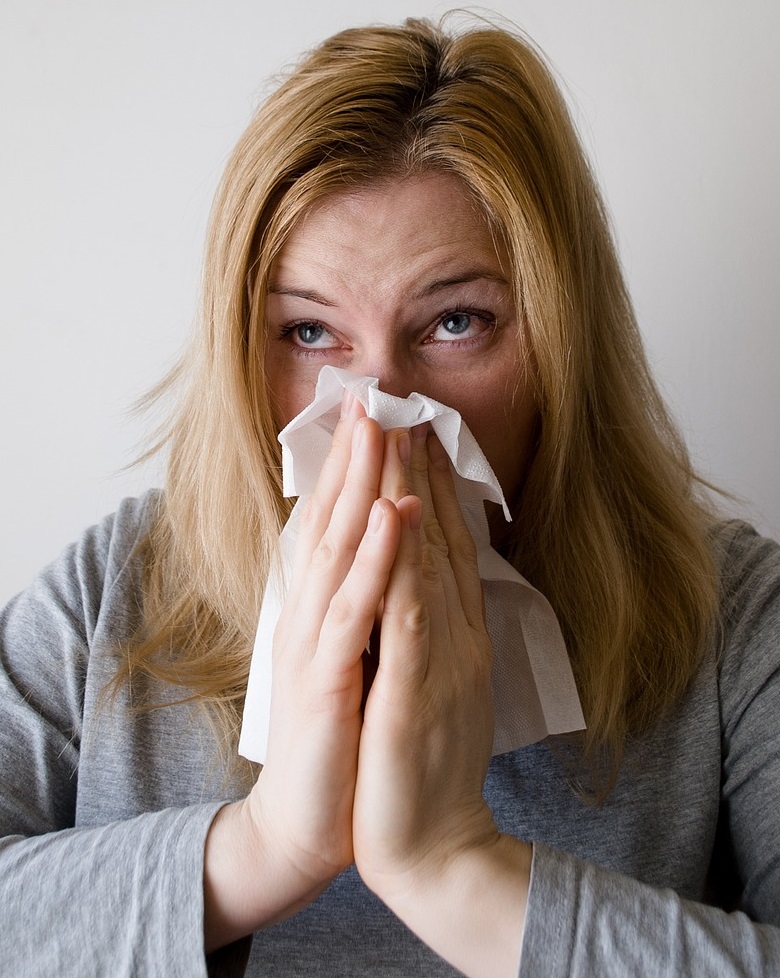
woman-698946_1280.jpgBe aware of your triggers. More than two-thirds of spring allergy sufferers have year-round symptoms. Talk to your allergist or local specialist. Your doctor can recommend the best treatment or medication to control your symptoms that can range from antihistamine eye drops and oral medications to widely recommended drugs without a prescription and immunotherapy (allergy shots).


Take preemptive care. To alleviate spring allergy suffering, begin taking your allergy medicine before your allergy symptoms escalate. Anticipating the onset of your allergy symptoms and seeking the proper treatment will prevent a host of health problems and suffering.


Clean up after being outside. Don’t leave airborne irritants embedded in your body or clothing. Washing your face, rinsing your eyes, or just hopping in the shower can loosen and flush out the allergens from your body. Take care to launder your clothes (in a machine, not outside) after being outside all day as pollen and mold spores can become embedded in the fibers of your clothing. Wipe your pet’s fur off before returning inside.


Spend some time indoors. For temporary relief, keep your doors and windows closed, use allergy filters on your air conditioning unit, and avoid spending too much time outdoors on breezy days when the pollen counts are especially high. Spending time outdoors between 10 AM and 4 PM will prolong your exposure and worsen symptoms of allergy. When you do, make sure to wear protective sunglasses to shield your eyes from irritants.


Seasonal allergies don’t have to get the best of you. Talk to the specialists at Infinite Eye Care to take control of your allergies and enjoy your best spring yet!

Thursday, June 4, 2015

Symptons of the Season

Spring in full swing, rapidly moving into summer, but for many that means the return of those dreadful spring allergies. The return of sneezing, sniffling and dry or watery eyes can sneak up on you quick, so here are 4 ways to help prepare for these seasonal symptoms:
1. As the weather becomes warmer, many people love to open their windows and doors up and let the cool  breeze inside. To help minimize your allergy symptoms, keep your doors and windows closed on windy days to shut out the pollen and other allergens in the air.

2. Spring-cleaning is a very important part of preparing for these symptoms. When you’re tidying up the house, focus on areas that tend to accumulate allergens. These areas include air filters, bedding, upholstered furniture, and carpeting. Along with focusing on these key places, always remember to vacuum your floors, furniture and rugs often to suck up any allergens that may have drifted in.

3. You can’t lock yourself inside until fall to avoid these allergies, but to help minimize their effect, try taking a shower every night before you go to sleep. The transfer of allergens from your hair or face to your pillow can heighten your symptoms and make them worsen.

4. Although pollen is one of the most common reasons for allergies, mold can also cause unpleasant symptoms. Specialists suggest focusing on areas such as basements, bathrooms, kitchens, and other areas where a leak can occur to help minimize the mold build up in your home.

Spring and summer are beautiful time of the year, and we want to make sure you can see it! Following these tips can help minimize your spring allergies and enjoy all the wonderful things this time of year has to offer!