Showing posts with label UV Rays. Show all posts

Friday, May 13, 2016

Protecting Your Eyes From Summer's Sunny Hazard: UV Rays

Protecting Your Eyes.jpg


UV or Ultraviolet rays are harmful to your eyes. The amount of UV radiation reaching earth is increasing, which is why it is more important than ever to wear sunglasses. Sunglasses are not just created for the “cool factor”, they are a crucial part of healthy eyes. Because UV damage is cumulative, it is important to wear sunglasses every time you go outside. Even infants should be wearing sunglasses because their eyes have not begun to cloud yet and are more sensitive to light.

Types of Ultraviolet Rays

There are three types of UV rays: UVA, UVB, and UVC. The most harmful of these are UVC rays, but thankfully, our atmosphere blocks virtually all of these rays from ever reaching the earth. UBV rays are shorter in wavelength, meaning they are lower energy. Small amounts of exposure cause our production of melanin -Our body’s natural defense against UV radiation (and the pigment that gives you skin a sun tan). High doses cause sunburn and increase your risk of wrinkles, freckles, premature aging, and skin cancer. UVA rays are perhaps the most detrimental to your eye health. These rays have the ability to pass through the cornea and reach the retina and lens of your eye. Overexposure can lead to cataracts and macular degeneration over time.


blonde-1078069_1280.jpg

Common Light-related Eye Irritants


One of the most common eye irritations that can occur from exposure to excess amounts of UV radiation is photokeratitis. Photokeratitis is similar to that of a sunburn. The eye can feel itchy, have a burning sensation, or even have a gritty feeling. None of these symptoms are pleasant, but with the use of sunglasses, they can be prevented.

Your eyes are similar to your skin, if exposed to sunlight, they will get burned. This is how some people get cancer on their eyelids. Remember, even ten minutes outside at the right time of day can cause damage. Constant exposure to sunlight and other harmful light sources can cause macular degeneration later on in life.

People living in the mountains or one of the US Sunbelt states are at a higher risk of UV radiation damage. Tanning beds and sunlamps create artificial UV light and (contrary to some belief) still cause damage, possibly leading to skin cancer. Welders, medical technologists, graphics artists, and those who work in manufacturing electronic circuit boards are at risk of UV damage. If you have had cataract eye surgery or if you have a retinal disorder, your eyes can be more sensitive to harmful rays. Even certain medications can increase your eyes sensitivity to UV radiation.

What to Look for in Your Sunglasses

When deciding on a pair of sunglasses, there are a few things you should consider. Sunglasses with 100 percent UV protection provide the best protection and those that absorb most HEV rays are important. Also, close fitting sunglasses that slightly wrap to your face provide the best protection. Sunglasses should screen out 75-90 percent of visible light, this means those lighter tinted sunglasses may not be the best for long sunlight exposure.

At Infinite Eye Care, we have numerous options of sunglasses to choose from. We will help you find the ones that fit your face, provide the right exposure protection, and help you avoid problems later on in life. Visit our website for more information on the sunglasses we have in store.

Thursday, July 23, 2015

Protect Your Eyes from the Summer Sun

Under the blazing sun of the hottest months of summer, you protect your skin from sunburn with hats, the shade of a tree, or generous amounts of sunscreen, but do you take measures to protect your eyes? Just like your skin, it is much easier to take care of your eyes now, to prevent future damage later on. We may not always think exposure to the sun can make a huge difference on our eyes, but in the long run, small preparations go a long way.

6078523750_1db496843d_b.jpg

The sun is full of harmful UV rays and extended exposure to these rays has been linked to eye damage including, cataracts, macular degeneration, pingueculae and pterygia (also known as surfer’s eye) and photokeratitis, which can cause temporary vision loss. Depending on the type, UV rays can affect your eyesight in different ways. There are two types of UV rays; UVA and UVB. UVA rays can hurt your central vision. It has a lower energy and is penetrated deep into the eye, which may injure the macula. UVB rays can do damage to your cornea and lens; these types of rays are considered to be more dangerous to your vision.


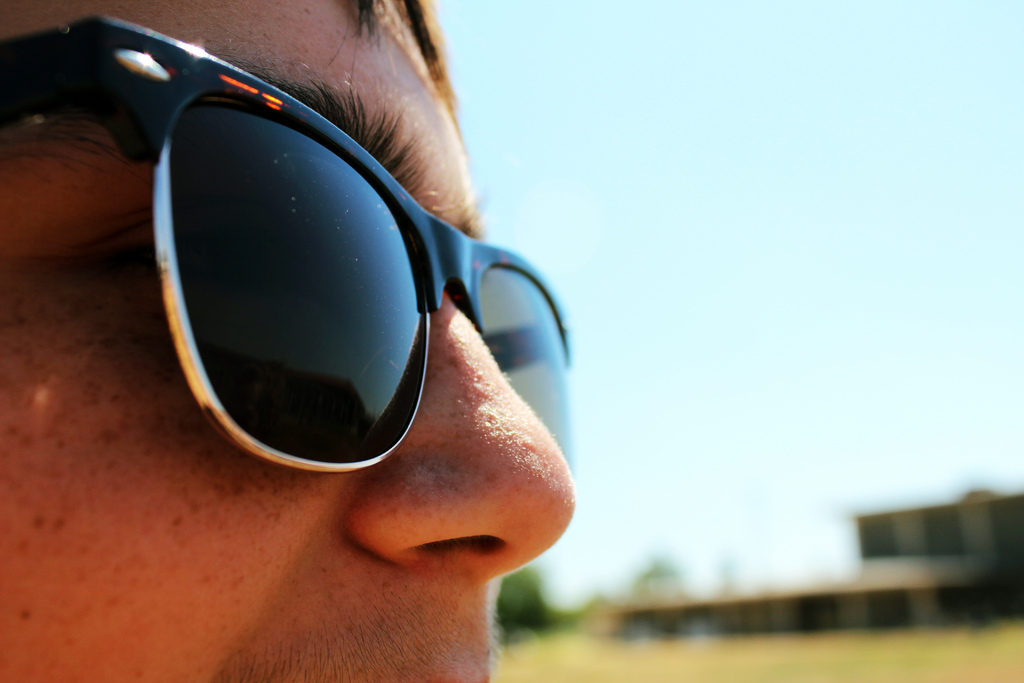
The simplest way to protect your eyes from the sun is to wear sunglasses. When choosing a pair of sunglasses, don’t base your choice off looks. Make sure you are picking a pair that blocks UV rays and protects your vision, not just your style. Sunglasses with a wraparound frame will give you the most protection.

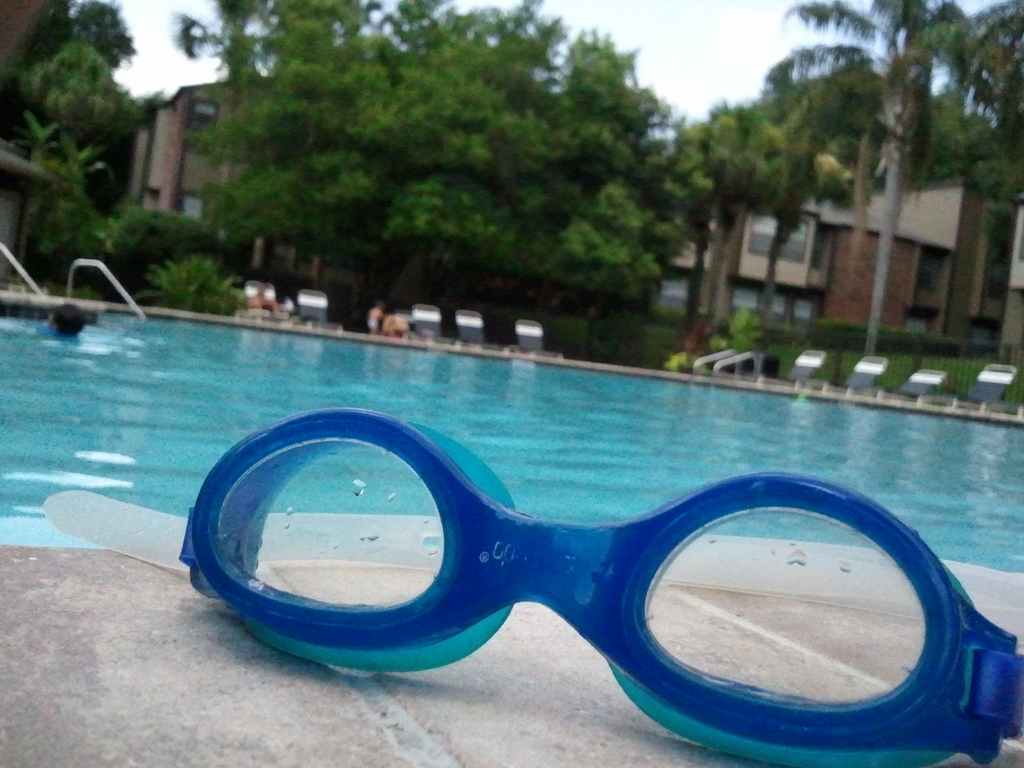
6625820635_9cf5706cce_b.jpgSwimming in the summer is a great past time, especially in the land of ten thousand lakes. We have to make sure to protect our eyes from the harmful effects of swimming pools and natural bodies of water. Swimming pools contain chlorine which can create that burning sensation when you open your eyes under water. Too much of this can irritate your eyes causing redness, itchiness, and inflammation. Natural bodies of water contain different bacterias and debris that can get in your eyes and make you at risk of several irritants and eye diseases. Also, remember that wearing contacts does not mean you are protected. Contacts can trap the different bacterias and extra chlorine in the water and can cause more damage to your eyes.


However, don’t feel like you can’t enjoy swimming during the summer. Goggles are a simple way to stay protected. You might actually enjoy swimming more since you won’t have that constant itchy and irritated feeling!

Enjoy your summer out in the sun, but don’t forget to protect your eyes! If you have any questions about eye health, stop into Infinite Eye Care or check out our website. We would be happy to assist you in any way possible!

Friday, June 5, 2015

Healthy Vision and Ultraviolet Awareness Month


May was Healthy Vision and Ultraviolet (UV) Awareness Month, and with the sunny summer months ahead of us, we want to continue to discuss how UV rays can be harmful and how to protect yourself from some of its negative impacts. Most people associate the negative effects of UV rays with sunburn and skin cancer, but are not as aware of the negative affect they have on your eyesight or the kinds of eye problems they can cause.

There are several different eye problems that can arise from UV rays including Macular Degeneration, Cataracts, Pteryglum, Skin Cancer, and Corneal Sunburn. The U.S. Department of Health and Human Services and the World Health Organization says that UV radiation from the sun and from tanning beds poses a threat to healthy eyesight. How you ask? Depending on the types of UV rays, they can affect your eyesight in different ways. There are two types of UV rays- UV-A and UV-B. UV-A rays can hurt your central vision. It has a lower energy and is penetrated deep into the eye, which may injure the macula. UV-B rays can do damage to your cornea and lens; these types of rays are considered to be more dangerous.


It is difficult to constantly keep your eyes protected from the sun, but some of the most effective ways are to know the dangers of UV rays and to stay informed about your eye health. If you do not take the time to stay informed and just ignore the health of your eyes, it will come back to haunt you later on in life.

It is also important to carry a pair of sunglasses or a hat as often as possible. Sunglasses are a great way to protect your eyes, however, be careful about the kind you choose. Some sunglasses are designed with fashion in mind and have no UV protection. While one pair of glasses may be trendier, just remember that long after that trend it out of fashion, you will still need your eyesight.


Lastly, wear a wide-brimmed hat or cap because it can actually block about half of the UV rays that may hit your eyes. Hats are a helpful alternative if you do not have a pair of sunglasses handy, though the combination of the two is the most effective way to protect your eyes.

The sun may not seem to be causing harm every day, but each time you leave yourself unprotected, you put yourself at risk of exposure to harmful UV rays. Even though May is UV Awareness Month, be sure to keep your eyes protected all year round.


Be sure to protect your eyes with sunglasses from Infinite Eye Care.